Size Guide
Find the perfect packaging dimensions for your needs. Our comprehensive guide covers gaylord boxes, pallets, and IBC totes.
Get a Free Quote
Fill out the form and we'll get back to you within 24 hours.
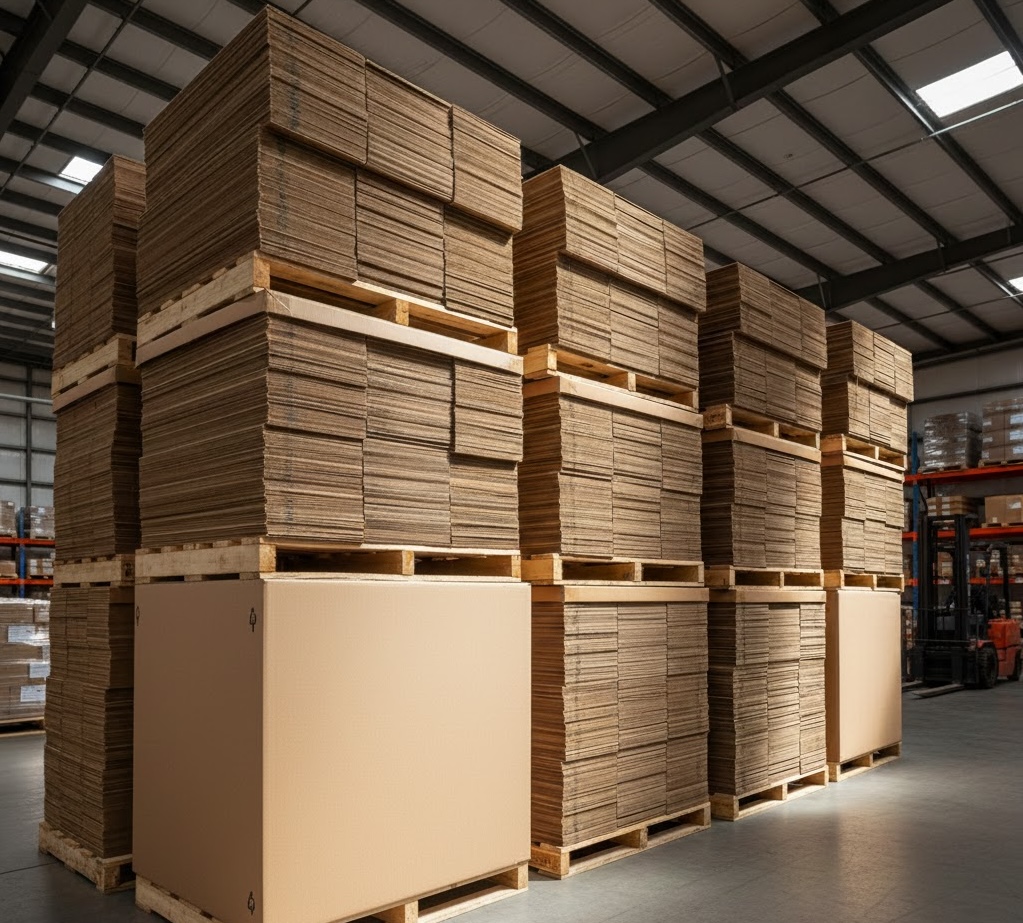
Gaylord boxes come in various sizes from 40x32x34 to 58x42x45
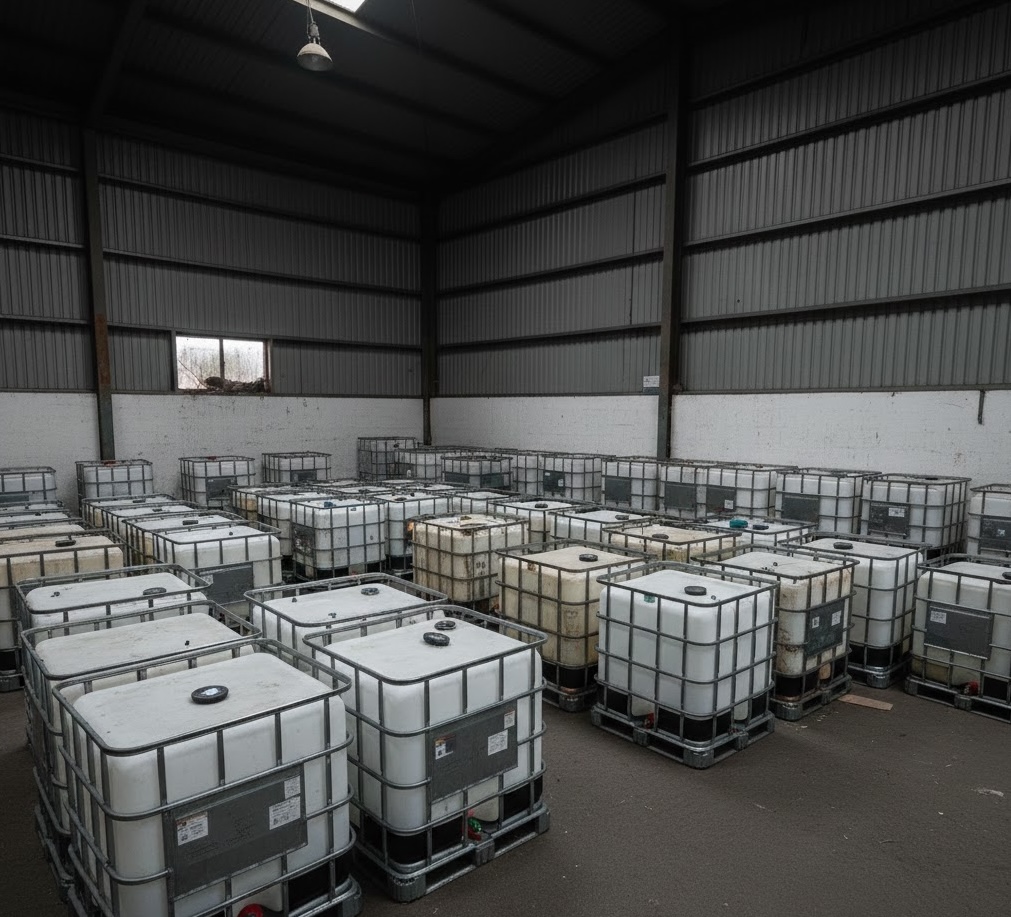
IBC totes available in 275, 330, and 350 gallon capacities
Gaylord Box Sizes
Gaylord boxes come in various sizes to fit different pallet dimensions and storage needs. The most common sizes are designed to fit standard GMA pallets (48" x 40").
Standard Gaylord Sizes
| Size (L x W x H) | Wall Type | Approx. Volume | Weight Capacity | Common Use |
|---|---|---|---|---|
| 48" x 40" x 24" | Single/Double | ~26 cu ft | 500-1,200 lbs | Low-profile storage, under conveyors |
| 48" x 40" x 30" | Single/Double | ~33 cu ft | 600-1,400 lbs | General purpose, medium volume |
| 48" x 40" x 36" | Double/Triple | ~40 cu ft | 800-1,800 lbs | Most popular size, versatile use |
| 48" x 40" x 42" | Double/Triple | ~47 cu ft | 1,000-2,000 lbs | High volume storage |
| 48" x 40" x 48" | Double/Triple | ~53 cu ft | 1,200-2,400 lbs | Maximum standard height |
| 48" x 45" x 36" | Double/Triple | ~45 cu ft | 800-1,800 lbs | Automotive industry standard |
| 40" x 32" x 34" | Single/Double | ~25 cu ft | 400-1,000 lbs | Smaller footprint applications |
| 58" x 42" x 45" | Triple | ~63 cu ft | 1,500-3,000 lbs | Automotive, large parts |
Wall Thickness Guide
Single Wall
- Thickness: ~3/16" (4.8mm)
- Flute: B or C
- ECT: 32-44
- Weight Capacity: Up to 65 lbs
- Reuses: 1-3 trips
Best for light materials, single use, cost-sensitive applications
Double Wall
- Thickness: ~1/4" (6.4mm)
- Flute: BC or EB
- ECT: 48-71
- Weight Capacity: Up to 100 lbs
- Reuses: 5-10 trips
Ideal for most applications, good durability, multiple uses
Triple Wall
- Thickness: ~1/2" (12.7mm)
- Flute: AAA or AAB
- ECT: 82-112
- Weight Capacity: Up to 300 lbs
- Reuses: 15-25+ trips
Best for heavy materials, long-term storage, many reuses
Understanding Gaylord Specifications
ECT (Edge Crush Test)
Measures the stacking strength of corrugated board. Higher ECT = more stacking capacity. Standard range is 32-112.
Flute Types
A-Flute: Thickest, best cushioning. B-Flute: Thinner, good for printing. C-Flute: Balanced properties, most common. E-Flute: Thin, smooth surface.
Burst Strength (Mullen)
Measures resistance to puncture. Important for contents with sharp edges or rough handling.
Pallet Sizes
Pallets come in standardized sizes based on industry and regional requirements. The most common in North America is the GMA pallet (48" x 40").
Standard North American Pallet Sizes
| Size (L x W) | Industry | Entry Type | Static Capacity | Dynamic Capacity |
|---|---|---|---|---|
| 48" x 40" | Grocery (GMA) | 4-way | ~6,000 lbs | ~2,800 lbs |
| 42" x 42" | Telecom / Paint | 4-way | ~5,500 lbs | ~2,500 lbs |
| 48" x 48" | Drums / Barrels | 4-way | ~6,500 lbs | ~3,000 lbs |
| 48" x 42" | Chemical / Beverage | 4-way | ~5,800 lbs | ~2,600 lbs |
| 40" x 48" | Military / Cement | 4-way | ~6,000 lbs | ~2,800 lbs |
| 48" x 45" | Automotive | 4-way | ~5,500 lbs | ~2,500 lbs |
| 48" x 36" | Beverage / Paper | 4-way | ~4,500 lbs | ~2,000 lbs |
| 36" x 36" | Beverage | 4-way | ~4,000 lbs | ~1,800 lbs |
Pallet Types
Stringer Pallets
- Two or three parallel boards (stringers)
- Top deck boards nailed to stringers
- Usually 2-way entry unless notched
- More economical to manufacture
Block Pallets
- Blocks between top and bottom decks
- True 4-way fork entry
- Generally stronger construction
- Often used for heavy loads
Plastic Pallets
- Nestable or stackable designs
- Consistent quality and dimensions
- Ideal for food/pharma (easy to clean)
- Long service life (100+ trips)
Pallet Grades & Conditions
Excellent Condition
Little to no damage, clean appearance, full structural integrity. May have minor scuffs. Suitable for export or premium applications.
Good Condition
Some visible wear, possible board replacement, fully functional. Ideal for most warehouse and shipping applications.
Fair Condition
Noticeable wear, may have repairs, structurally sound. Best for internal use or when appearance isn't critical.
ISPM-15 Heat Treatment
Export Requirements
Wooden pallets shipped internationally must be heat-treated (HT) or methyl bromide treated to meet ISPM-15 standards. Heat treatment requires core temperature of 56°C for 30+ minutes. Look for the HT stamp/brand for compliance.
IBC Tote Sizes
IBC totes (Intermediate Bulk Containers) are standardized for efficient handling and storage. Most fit a standard pallet footprint.
Standard IBC Capacities
| Capacity | Dimensions (L x W x H) | Empty Weight | Full Weight (Water) | Fill Opening |
|---|---|---|---|---|
| 275 Gallon | 48" x 40" x 46" | ~120 lbs | ~2,420 lbs | 6" or 9" |
| 330 Gallon | 48" x 40" x 53" | ~135 lbs | ~2,890 lbs | 6" or 9" |
| 350 Gallon | 48" x 40" x 55" | ~145 lbs | ~3,060 lbs | 6" or 9" |
IBC Components
Bottle (Inner Container)
- Material: HDPE (High-Density Polyethylene)
- Wall Thickness: 2-4mm
- Color: Natural (translucent) or black (UV resistant)
- Food Grade: FDA approved options available
Cage (Outer Frame)
- Material: Steel wire grid
- Coating: Galvanized or painted
- Design: Collapsible or rigid
- Purpose: Protection and stackability
Pallet Base
- Steel: Most durable, heaviest
- Plastic: Lighter, rust-free
- Wood: Economical, replaceable
- Composite: Balanced properties
Valve Types
2" Butterfly Valve
Standard economical option. Quarter-turn operation. Good for non-viscous liquids.
2" Ball Valve
Better flow control. Camlock compatible. Ideal for viscous materials.
3" Ball Valve
Maximum flow rate. For thick liquids or fast dispensing requirements.
IBC Conditions
Brand New
Never used, full manufacturer warranty. Best for food-grade, pharmaceutical, or high-purity applications.
Reconditioned
New bottle in used cage. Excellent value for food-grade applications. Most popular option.
Previously Used
Cleaned and inspected. Ideal for industrial chemicals, water storage, or non-food applications.
UN Certification
Hazardous Material Rating
UN-certified IBCs are rated for transporting dangerous goods. Look for markings like "31HA1/Y/..." indicating material type, performance level, and testing dates. Certification is valid for 5 years from manufacture date.
Choosing the Right Size
Follow these steps to select packaging that fits your needs.
Consider your storage space
Measure rack heights, door clearances, and floor space to ensure the packaging will fit. Don't forget to account for pallet jack or forklift maneuvering room.
Match to your pallets
Gaylord boxes and IBCs should match your pallet footprint for stable stacking. A 48x40 gaylord on a 48x40 pallet creates a flush, secure load.
Account for weight
Consider the weight of your materials when choosing wall thickness and pallet strength. Remember both static (racked) and dynamic (lifted) weight limits.
Plan for handling
Ensure your forklifts and equipment can handle the size and weight of loaded packaging. Check lift heights and aisle widths.
Consider stacking needs
If you'll stack loaded containers, choose appropriate strength ratings. Two-high stacking is common for gaylords; IBCs are typically rated for 2-4 high stacking.
Think about reuse
If packaging will be reused multiple times, invest in heavier-duty options. The cost per use decreases with each trip.
Helpful Conversions
Volume
- 1 cubic foot = 7.48 gallons
- 1 gallon = 0.134 cubic feet
- 1 cubic yard = 27 cubic feet
- 1 gallon = 3.785 liters
Weight
- 1 gallon water = 8.34 lbs
- 1 cubic foot water = 62.4 lbs
- 1 kg = 2.205 lbs
- 1 metric ton = 2,205 lbs
Dimensions
- 1 inch = 25.4 mm
- 1 foot = 304.8 mm
- 48" = 1,219 mm
- 40" = 1,016 mm
Need Help Finding the Right Size?
Our team can help you select the perfect packaging dimensions for your application.